ASO keyword tracking 101: what to measure, what to ignore
Most ASO dashboards bury the signal under noise. Here's a stripped-down playbook for what actually matters when you're tracking App Store keywords as an indie dev — and what you can safely skip.
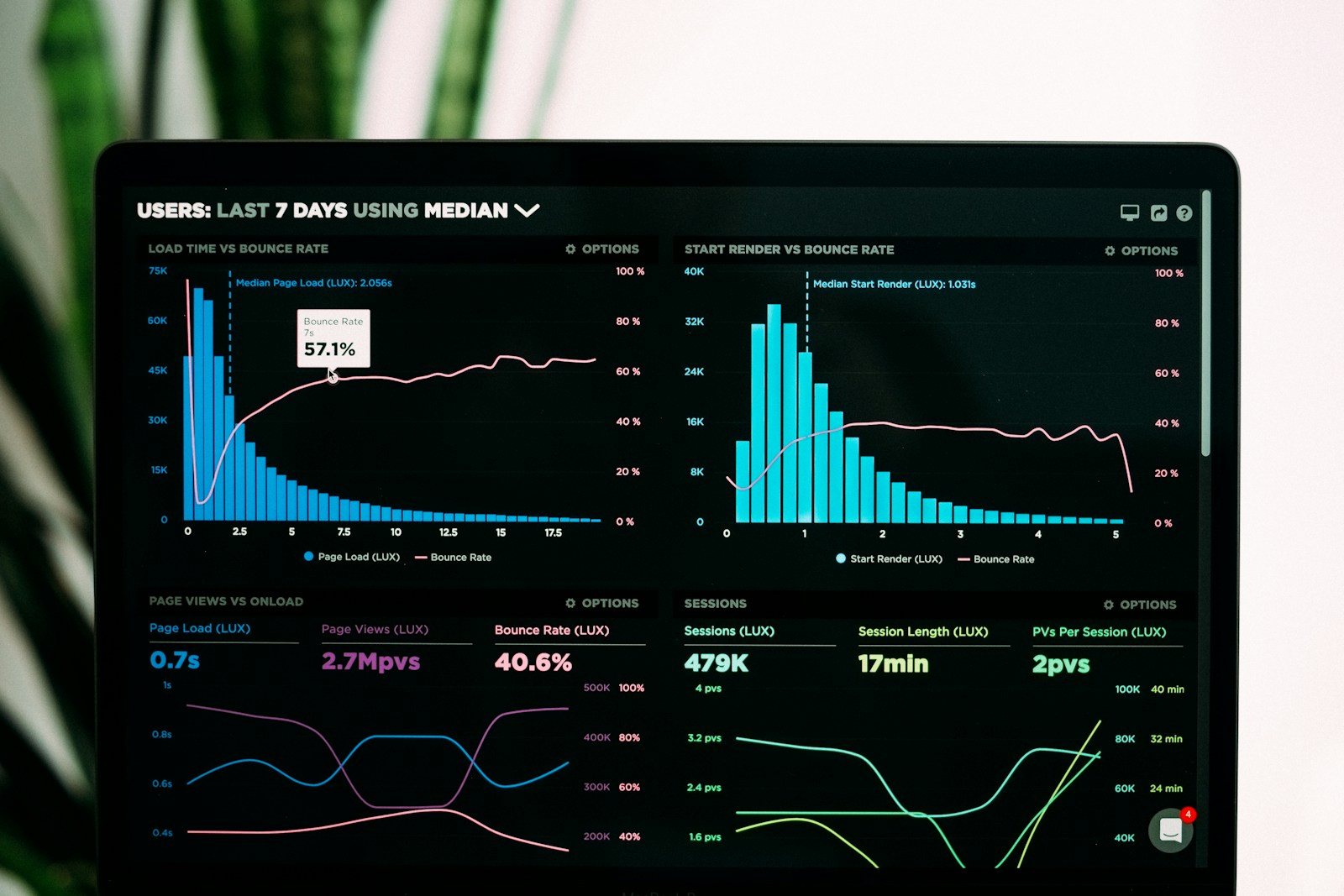
Open any ASO tool’s keyword dashboard and you’ll see thirty columns of data per keyword: rank, daily delta, weekly delta, search volume, search score, difficulty, chance score, traffic share, KEI, organic installs, proxy installs, paid installs, conversion benchmark, opportunity score.
Most of those are noise. Some are fabricated. A few are useful — but only if you know which ones, and only if you know what to do with them.
This post is the lean version: the small set of metrics worth tracking as an indie dev, and how to act on each one.
The three numbers that matter
For any keyword you care about, you need exactly three numbers.
1. Current rank
Where does your app sit on the search results page for this keyword, today, in this locale?
Rank 1–10 means you’re on the first screen. Rank 11–30 means you’re findable. Rank 30+ means you’re not. The difference between rank 6 and rank 12 is dramatic — first-screen traffic falls off a cliff after the top results.
2. Daily delta
How did rank move since yesterday?
A +3 or -3 day-on-day is noise. A +10 or -10 means something happened: a competitor pushed an update, your screenshots changed, you ran an Apple Search Ads campaign in that country, Apple tweaked an algorithm.
You can ignore daily moves below ±5. You should look at any move above ±10.
3. 30-day trend
Is rank trending up, flat, or down over the last 30 days?
This is the only metric that tells you whether your ASO work is actually working. A keyword you’ve been “optimizing for” that has been flat for 30 days is a keyword you should reconsider.
That’s it. Three numbers per keyword. Anything else you see in ASO dashboards is either a re-cut of these three, or a number whose provenance is murky enough that you shouldn’t bet on it.
The metrics to be skeptical of
Search volume
ASO tools don’t have access to Apple’s actual search volume numbers. Apple doesn’t publish them. What you’re looking at is one of:
- Apple Search Ads’ Popularity score (1–100, ASA-scoped, not a volume), with a tool’s proprietary scaling applied
- A scraped estimate based on suggested-search ordering
- A model output the vendor doesn’t fully explain
None of these are wrong, exactly. They’re just lower-confidence than they look. Treat search volume as ordinal (this keyword is more popular than that one) rather than cardinal (this keyword gets X searches per day).
Difficulty
Same problem. “Difficulty” is a proprietary score derived from the top ranking apps’ download history. It’s a useful relative signal — “this keyword is dominated by huge apps, don’t bother” — but the specific number means much less than people treat it.
Chance / opportunity score
Almost always a multiplication of (search volume) × (1 − difficulty) dressed up as something more sophisticated. Worth looking at, not worth betting on.
What to do once a week
Open your tracked keywords list. Sort by 30-day trend.
- Trending up, you weren’t expecting it — figure out why and double down. Did you ship metadata that mentions this term? Did a competitor drop off? Either way, lean in.
- Trending down, you were trying to rank — your keyword targeting isn’t working. Try a different phrasing or a different field (subtitle vs description vs keywords field).
- Flat for 30 days — either you’ve already won and there’s nowhere to climb, or you’re invisible at that rank. Decide whether to push harder or drop the keyword from your tracking list.
That’s the whole weekly ritual. Twenty minutes if you have ten keywords. Most of ASO success isn’t about reading the chart, it’s about acting on what it tells you.
What we built in Asomium
Asomium tracks the three numbers above for every keyword you add, across every locale you target. No popularity-scoreboard theater, no phantom difficulty scores. Plus an autocomplete-sweep keyword discovery tool that surfaces what users are actually typing — based on Apple’s own search suggestions, not a scraped index.
If you ship multiple apps and the manual side of ASO is eating your release cycle, give the beta a try.
Share this post
Read next
The English locale trick that triples your App Store reach in 5 clicks
Most indie devs ship only en-US. That leaves five English storefronts — UK, Australia, Canada, India, Singapore — with no metadata, no keywords, and a fraction of the discoverability they could have. Here's how to fix it without doing five times the work.
Why I built Asomium
The honest version. I shipped a few indie apps, got tired of the same five tabs every release, looked at the existing tools, and built the one I wished existed. This is what I wanted to fix, what I learned, and where it's going.
Mario
Founder, AsomiumFounder of Native First, shipping iOS and Mac apps. Building Asomium because the App Store release workflow deserves better.